
Bio Cleaning Stone & Cement
Bio cleaning for stone and cement involves specially formulated biological agents to safely remove contaminants like cement residues from stone surfaces such as sandstone. This method is particularly effective because it decomposes organic matter without damaging the substrate, offering a gentle yet thorough cleaning solution. It’s critical for maintaining the integrity and appearance of stone structures, especially in historic or ecologically sensitive environments.
Addressing Concerns about Bio Cleaning
Bio cleaning for stone and cement refers to an eco-friendly cleaning method using biological agents to effectively remove stains and residues from surfaces such as sandstone. This approach is particularly advantageous as it utilises naturally occurring microbes and enzymes to break down contaminants without harsh chemicals, safeguarding both the material’s structural integrity and the surrounding environment. Unlike traditional pressure washing, bio cleaning ensures a gentler process that minimises the risk of surface erosion on delicate substrates like sandstone.
Concerns may arise regarding the efficacy and suitability of bio cleaning for certain applications. However, this method is highly effective for addressing biological stains, such as those caused by algae, fungi, and cement residues. Moreover, bio cleaning is often favoured in projects where preserving the original characteristics and patina of the stone is crucial, such as in conservation work on historic structures. It’s important to select a bio cleaning agent that is specifically formulated for the types of contaminants present and the specific substrate to ensure optimal results.
Another potential concern is the perceived time and cost associated with bio cleaning. While it may take longer than some traditional cleaning methods, the long-term benefits of maintaining stone integrity and preventing future damage often outweigh the initial investment. Furthermore, as bio cleaning continues to gain popularity, advancements in technology and product formulations are enhancing both efficiency and affordability. Engaging with professionals experienced in bio cleaning can provide further reassurance, ensuring the method aligns with project goals and ecological considerations.
Advanced Techniques in Bio Cleaning for Stone Surfaces
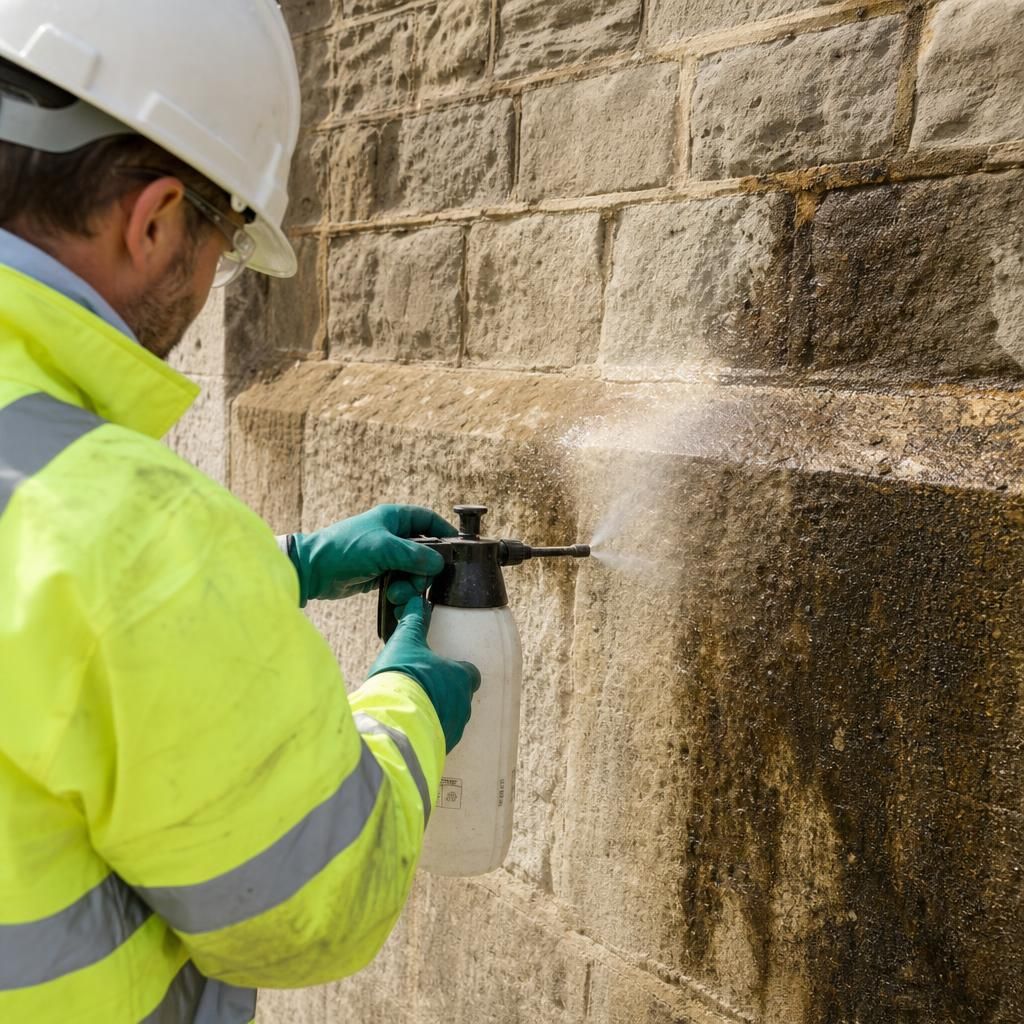
Application of Bio Cleaning Agents
Bio cleaning involves the application of specially formulated biological agents to stone surfaces. These agents consist of naturally occurring microbes and enzymes that work to decompose organic matter, including algae and cement residues, without harming the stone. This method ensures a gentle yet thorough clean, ideal for historic and delicate structures.
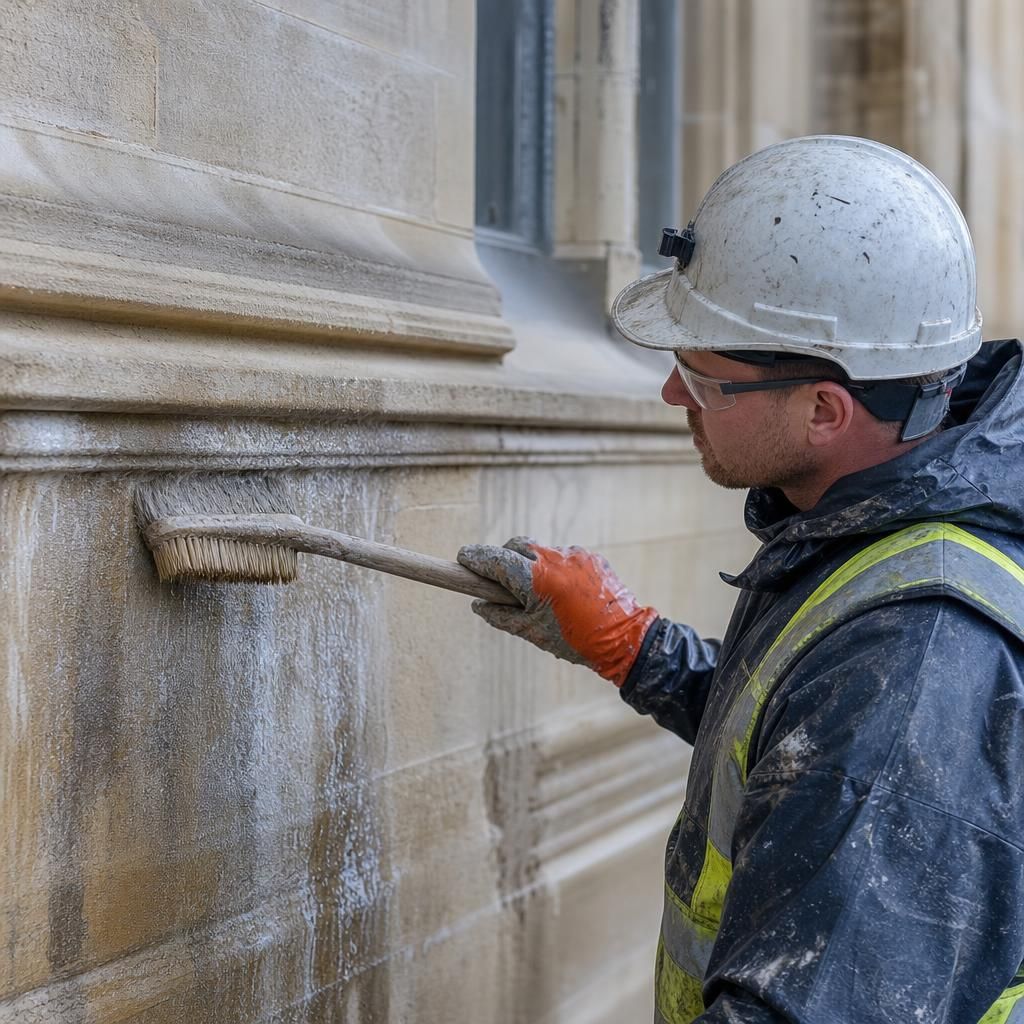
Eco-friendly and Safe
Unlike traditional cleaning methods that use harsh chemicals, bio cleaning prioritises environmental safety by relying on biological processes. This eco-friendly approach minimises the risk of pollution, ensuring that both the stone and the surrounding area remain uncontaminated and safe for the environment.
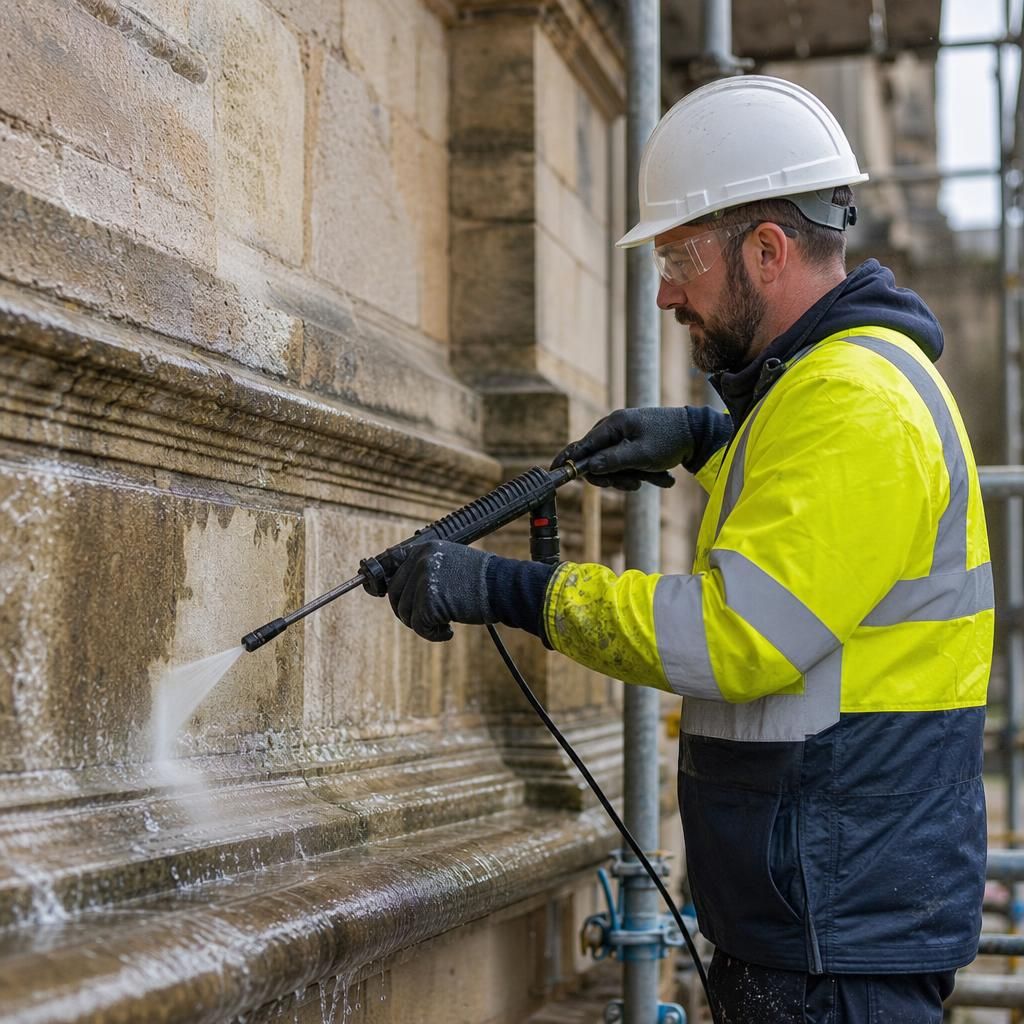
Preservation of Historic Structures
Bio cleaning is particularly advantageous for conservation efforts on historic stone structures. By avoiding abrasive techniques, it helps maintain the original texture and patina of the stone, preserving the aesthetic and structural integrity crucial in heritage projects.
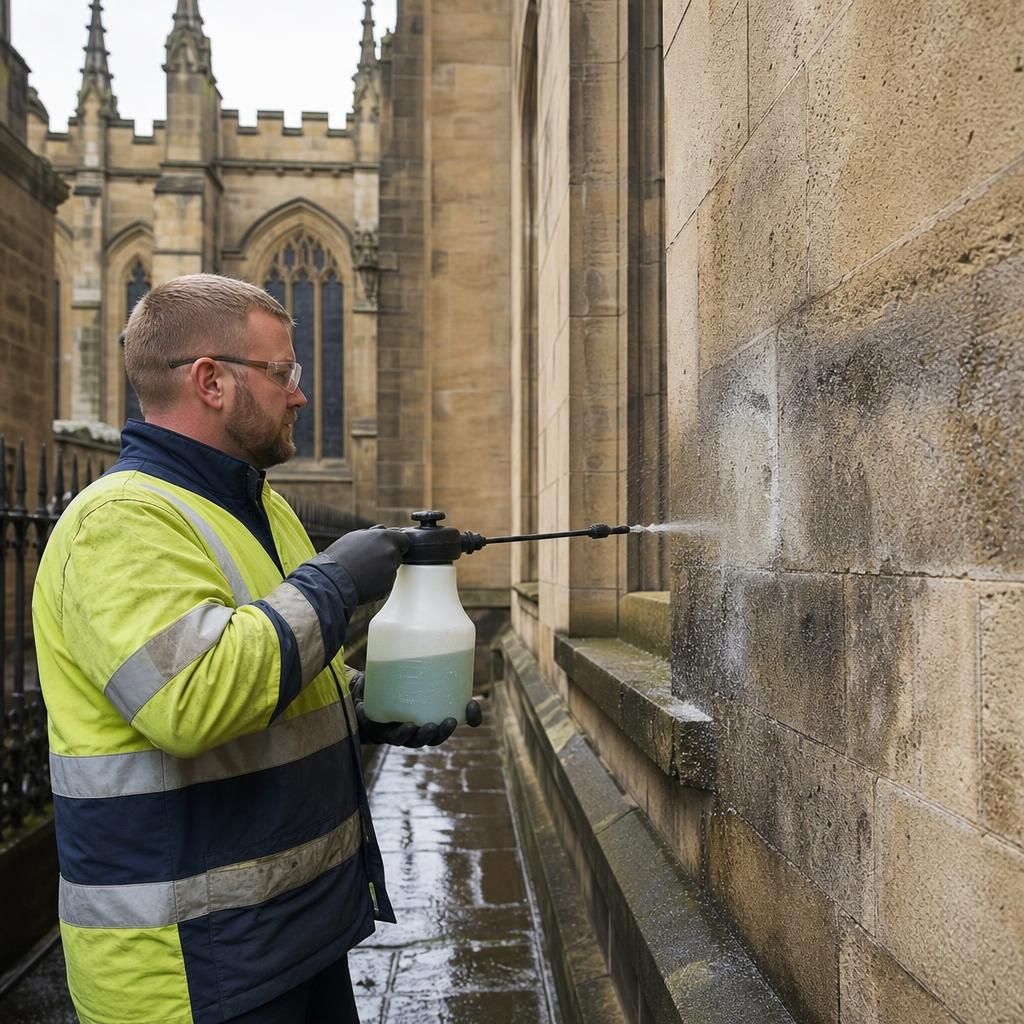
Cost-effective Long-term
While initially more expensive, bio cleaning offers long-term savings by reducing the risk of damage and the need for frequent cleaning. Its ability to protect and extend the life of stone surfaces makes it a cost-effective solution in the long run.
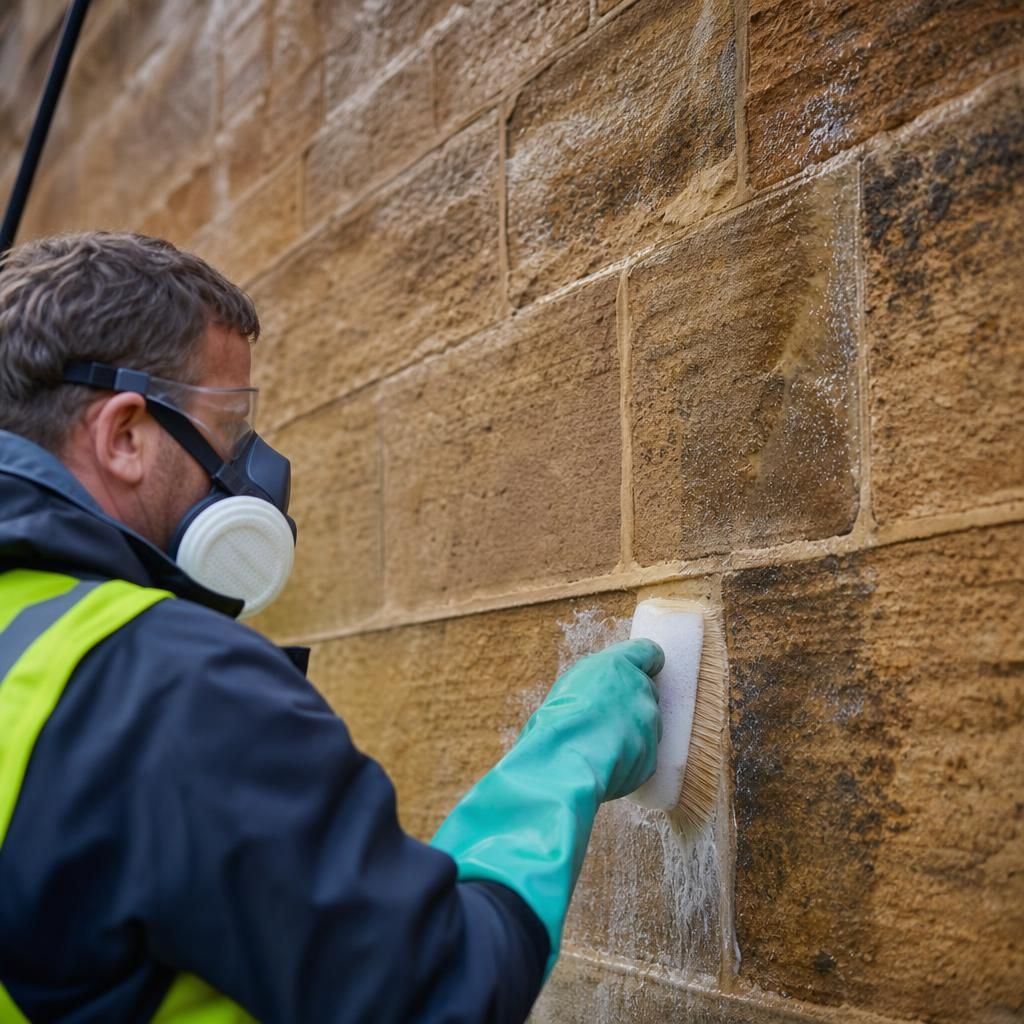
Technological Advancements
Recent advancements in bio cleaning technology have improved efficiency and accessibility. New formulations enhance the cleaning process, making it a viable alternative for a wider range of projects. These developments continue to enhance both the effectiveness and affordability of bio cleaning.
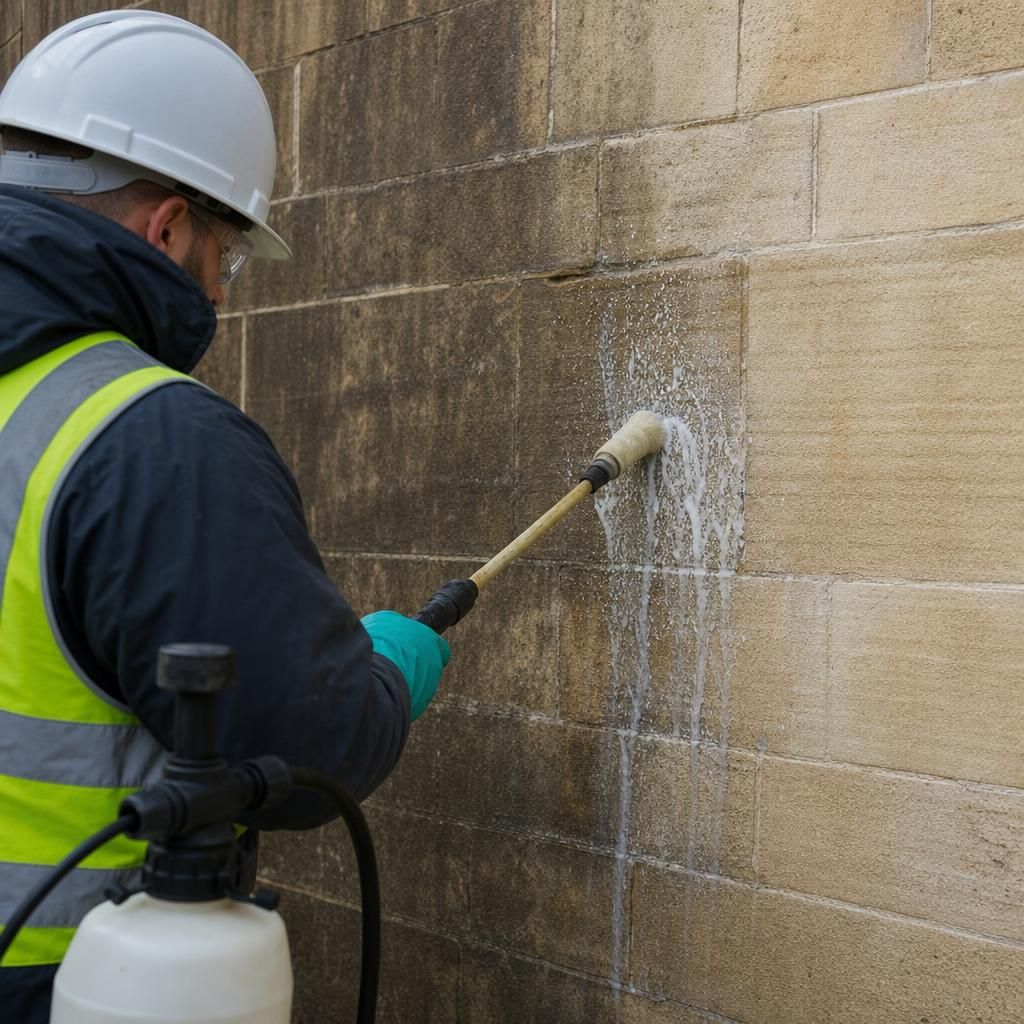
Role of Microbial Activity
The process of bio cleaning relies on microbial activity to break down contaminants. These microbes target organic residues, efficiently degrading them without any abrasive force. This makes bio cleaning an ideal choice for sensitive and intricate stonework that requires careful handling.
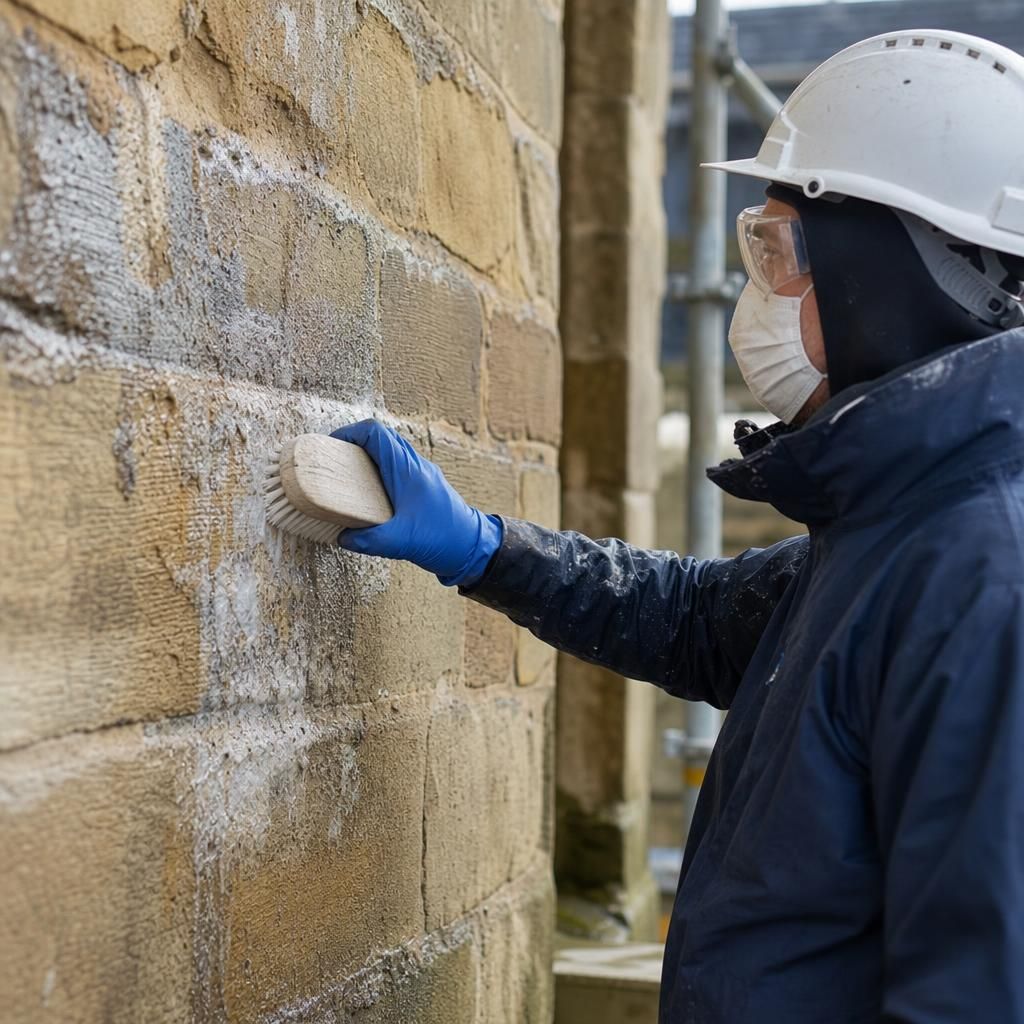
Supporting Environmental Conservation
Bio cleaning supports conservation goals by aligning with eco-friendly practices. By ensuring no harmful chemicals are introduced into ecosystems, this method contributes positively to environmental stewardship, making it especially suitable for projects within ecologically sensitive areas.
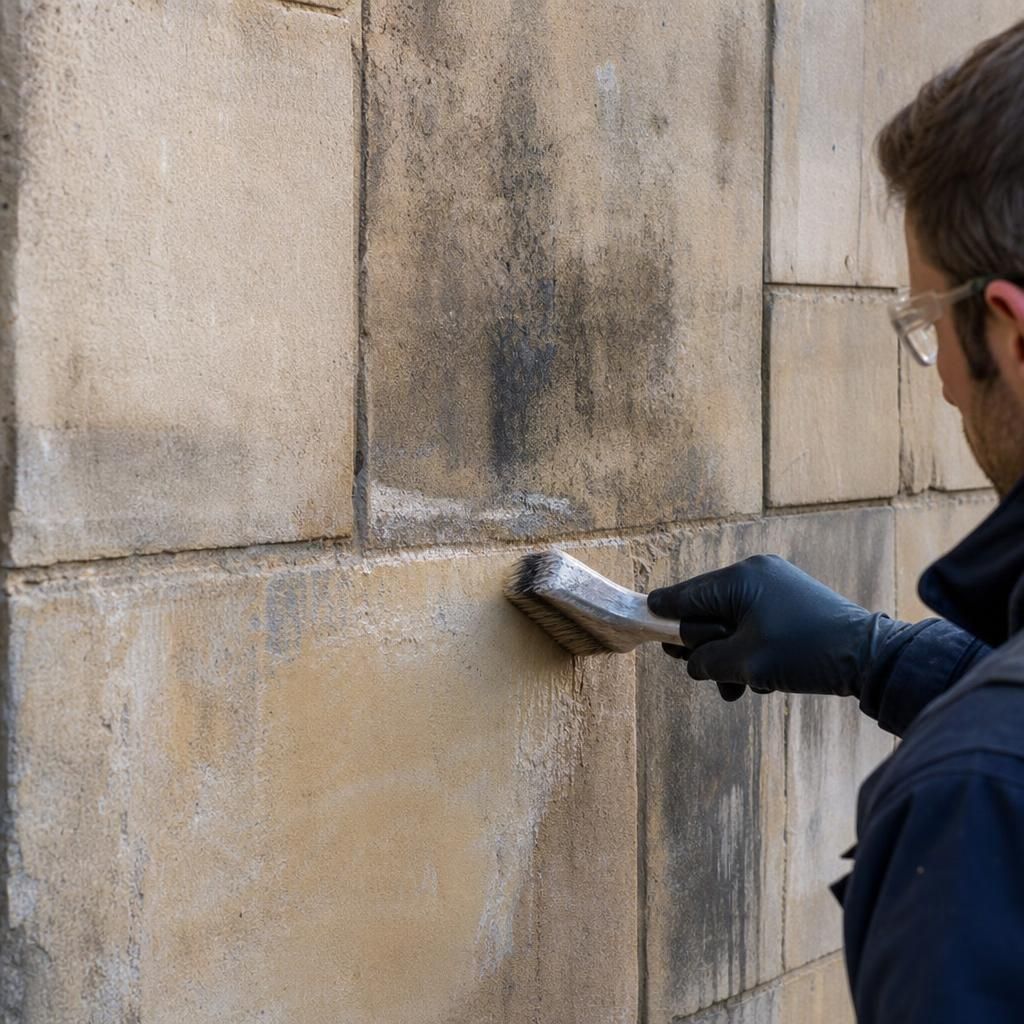
Tailored Cleaning Solutions
Each bio cleaning solution is tailored to specific contaminants and substrates. This customisation ensures optimal results, preventing damage to the stone and effectively addressing unique cleaning challenges presented by different types of residues and environmental factors.
Proven Results
Our bio cleaning process for stone and cement is recognised for its environmental benefits and effectiveness. Trust our proven expertise.
Bio Cleaning Q&A: Selecting the Right Solution for Stone & Cement
What are the environmental benefits of using bio cleaning for cement removal in stone structures?
Bio cleaning effectively removes cement residues from stone like sandstone by utilising biological agents to decompose organic contaminants. It preserves structural integrity and is ideal for sensitive or historic surfaces.
What factors should be considered when choosing bio cleaning over traditional methods for stone and cement?
Consider surface delicacy, environmental impact, and long-term preservation. Bio cleaning is ideal for historic sites needing gentle treatment, while conventional methods might suit modern, less fragile structures efficiently.
How does bio cleaning maintain the integrity of sandstone compared to mechanical cleaning methods?
Bio cleaning utilises natural agents that gently decompose residues without harsh abrasives, preserving sandstone's natural texture and integrity, unlike mechanical cleaning which can cause erosion and surface damage.
Why is bio cleaning preferred for ecologically sensitive landscapes involving stone surfaces?
Bio cleaning minimises impact on sensitive landscapes by using natural agents that decompose cement residues, avoiding chemical runoff and mechanical abrasion, thus preserving ecological and stone surface integrity.
What are the practical steps involved in the bio cleaning process for removing cement from sandstone?
The process involves applying bio cleaning agents specifically targeting cement residues, allowing them to break down naturally. The surface is then rinsed to remove residues without harming the sandstone.
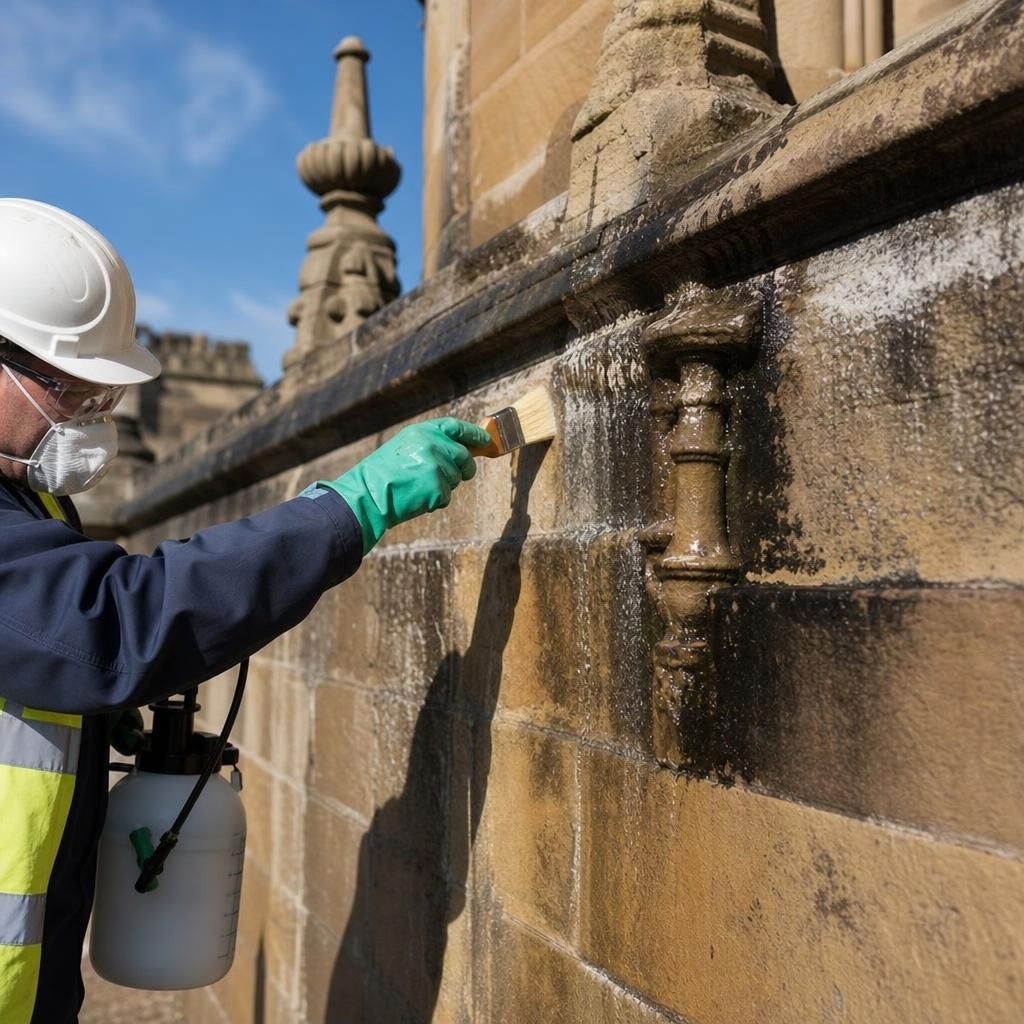
Visual Proof of Bio Cleaning Effectiveness on Stone & Cement
Bio cleaning for stone and cement utilises biological agents to gently remove contaminants like cement from stone surfaces, particularly useful for materials such as sandstone. This method leverages the activity of microbes and enzymes that break down organic particles without causing damage to the stone. It offers an eco-friendly alternative to abrasive or chemical cleaning techniques.
This approach is particularly suitable for historic buildings or environmentally-sensitive sites, where maintaining the original stone condition is vital. By focusing on the organic deposits in cement residues, bio cleaning helps preserve the stone’s structural and aesthetic integrity, avoiding the erosion or surface dulling that harsher cleaning processes might cause.
While the initial expense of bio cleaning may be higher than traditional methods, the long-term benefits, which include avoiding potential damage and prolonging the stone’s lifespan, can lead to substantial savings over time. This makes bio cleaning an increasingly popular choice in both historical conservation and modern building maintenance efforts.
Bio Cleaning FAQs: Understanding Stone & Cement Maintenance
How does bio cleaning differ from traditional cleaning methods for stone and cement?
Bio cleaning uses enzymes and microbes to break down cement residues without harming stone surfaces, making it ideal for sandstone preservation. It's eco-friendly and supports long-term stone maintenance.
What types of stone and cement surfaces can benefit from bio cleaning?
Bio cleaning is suitable for a variety of stone surfaces, including sandstone, limestone, and granite, as well as cement facades. Its gentle, enzyme-based approach preserves the surface's integrity.
What are the environmental benefits of using bio cleaning for stone and cement surfaces?
Bio cleaning utilises naturally occurring enzymes and microbes, reducing dependency on harsh chemicals, lowering water usage, and minimising waste, making it a sustainable choice for stone and cement maintenance.
Is bio cleaning effective on surfaces heavily stained with cement residues?
Yes, bio cleaning effectively removes heavy cement stains by using active enzymes and microbes to target and decompose residue without compromising the stone's surface quality.
What precautions should be taken when using bio cleaning on delicate stone surfaces?
Ensure the stone surface is compatible with bio cleaning and test a small area first. Identify and protect any adjacent materials that might react adversely to the cleaning agents.